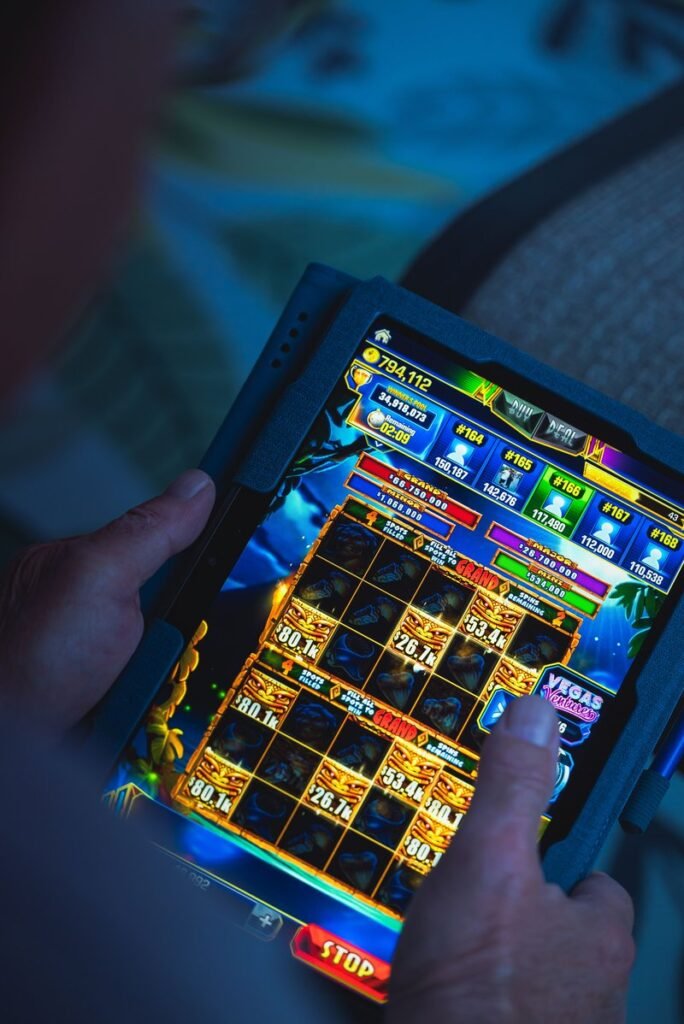
By 2026, the average Brit spends roughly 3 hours a day on a mobile device. That time is not just scrolling; it’s gaming. The surge in casual and narrative‑heavy titles is reshaping how we unwind, socialize, and even shop. If you’ve ever paused a call to finish a puzzle or traded a friend’s emoji for a power‑up, you’re already part of a shift that’s turning phones into the new living rooms.
Speed of play versus depth of story
Early‑stage mobile games still rely on quick loops: a 2‑minute match, a handful of taps, and a reward. By 2026, titles like ChronoQuest and Arcadia City are delivering 45‑minute adventures that rival console narratives. Developers use cloud‑based AI to adjust difficulty on the fly, so a player who misses a puzzle can receive a subtle hint without breaking immersion. The trade‑off? These richer stories demand a larger battery budget and a more stable 5G connection, which can be a hurdle for users on the fringes of urban coverage.
Monetisation models that keep the queue moving
Micro‑transactions used to be a thin line between “free” and “pay‑to‑win.” Now, many games adopt a “freemium‑plus” model: core content is free, but cosmetic bundles and time‑savers are optional. For instance, the skin packs in Glitch Arena cost £4.99 each, and the “express boost” that cuts waiting time from 30 minutes to 5 costs £1.99. The key metric is retention: a 2025 report found that games with cosmetic‑only micro‑transactions retained 18% more players after six months than those offering functional pay‑ups.
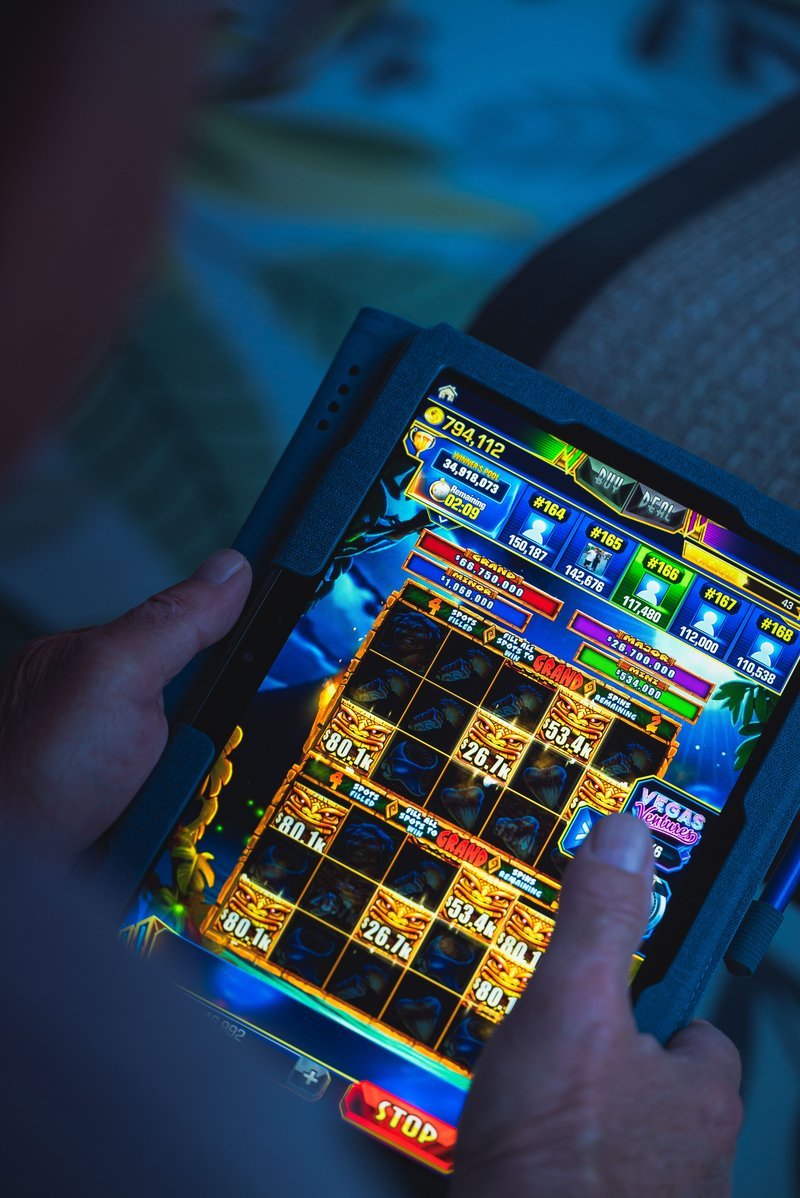
Social integration beyond the screen
Cross‑platform leaderboards and shared achievements have turned solitary play into a community event. The new “Challenge Hub” feature in BattleForge allows players to create private tournaments that sync with Discord and Twitter, automatically posting top scores. The result is a 25% increase in daily active users for titles that support social shuffling. The downside? Privacy concerns rise when data is shared across third‑party services, and players who prefer a solo experience may feel pressured to join public challenges.
From pocket‑to‑play to the living room
As mobile devices grow more powerful, developers are pushing the boundary between handheld and home console. The “GamePad” accessory, a detachable controller that pairs via Bluetooth, lets users switch from a phone to a TV screen without reinstalling the game. A pilot study in Manchester showed a 40% increase in session length when players used the GamePad versus the touch screen alone.
How Mobile Gaming Apps Are Shaping UK Entertainment in 2026
When the line between gaming and social media blurs, it opens a new avenue for entertainment. Many players now stream their gameplay live, turning casual sessions into spectator events. This trend dovetails neatly with the rise of online gaming platforms that offer instant access to a variety of titles. For those curious about how this digital shift might intersect with traditional casino entertainment, check out https://gocharged.co.uk for a glimpse into the evolving landscape.
Accessibility and inclusivity on the go
Voice‑control and haptic feedback have made mobile gaming more inclusive. Games like Echo Quest feature adjustable audio cues and colour‑blind modes that adjust saturation on the fly. According to a 2024 survey, 32% of players with visual impairments reported a smoother experience on newer titles that incorporate these features. The challenge remains: not all developers adopt the same standards, leading to a fragmented accessibility landscape.
Which direction to take?
If you’re a casual player looking for quick, bite‑size fun, stick with the classic 2‑minute loop titles that reward you with simple achievements. If you crave narrative depth and social interaction, aim for the cloud‑powered adventures that let you pause and resume across devices. Remember that richer experiences often mean higher data usage and longer battery drain, so plan your sessions around your network and power budget. In the end, the best choice is the one that fits your lifestyle and keeps the thumb‑tapped joy coming.
Frequently Asked Questions
How much time does the average Brit spend on mobile devices in 2026?
By 2026, the average Brit spends roughly 3 hours a day on a mobile device.
What type of mobile games are driving this shift?
Casual and narrative‑heavy titles are leading the surge, offering quick loops and deep stories alike.
How are mobile games influencing social interaction?
Players often pause calls to finish puzzles or trade emojis for power‑ups, turning phones into new social hubs.
Will traditional console gaming disappear?
Not likely; instead, mobile and console experiences are blending, with cross‑platform storytelling and multiplayer options expanding.